What Your Bathroom Shelf Says About the Future of Sustainability
3 min read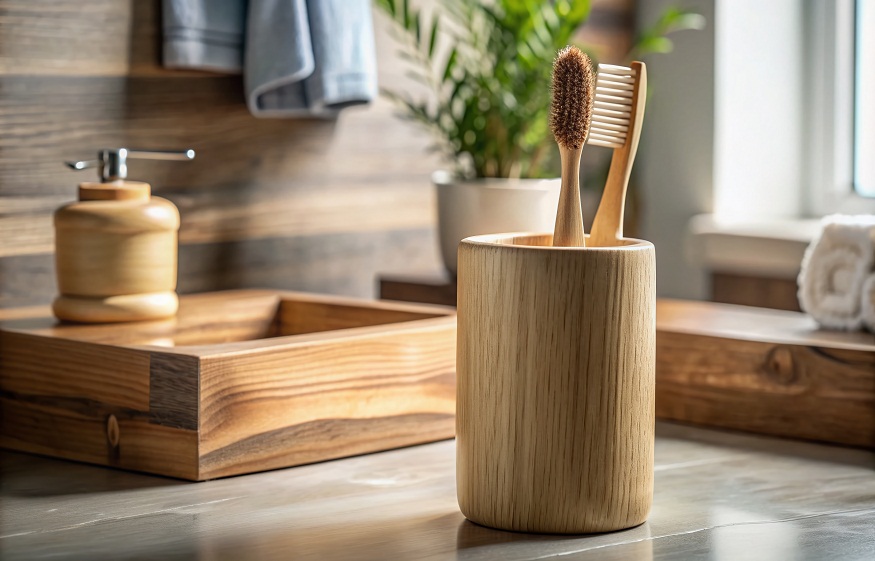
That cramped bathroom shelf next to your mirror holds more power than you think. Between the toothbrush holder and the hand lotion sits evidence of how regular people are forcing big companies to rethink everything about packaging and waste.
From Plastic Bottles to Better Choices
Twenty years back, the sterile, plastic appearance of bathrooms was the norm. Shampoo, conditioner, and body wash bottles were all over the place. These days? Not so much. Glass jars sit where plastic tubs used to live. Metal tins kicked out those chunky deodorant sticks. Good old soap bars are back, and liquid soap pumps are gathering dust at the store.
Why the change? People had enough. They kept putting bottles in recycling bins, despite the fact that most plastic still goes to landfills. People questioned the necessity of all this stuff. Must shampoo be contained in a bottle? What’s the issue with toothpaste that isn’t sold in a tube?
Companies caught on pretty quick. Shampoo bars work great and outlast three bottles of the liquid stuff. Toothpaste tablets from a brand like Ecofam get your teeth just as clean without adding another tube to the trash heap. Who knew you could have both convenience and conscience?
The Refill Revolution Changes Everything
Here’s what happens when someone discovers refillable products; they stop treating bathroom stuff like it’s disposable. That glass soap dispenser becomes a keeper. Run out of soap? Just pour in more from a refill bag. Certain people take their empty containers to refill shops on Saturday mornings. The experience is strangely pleasing, similar to a treasure hunt, but with a predetermined outcome.
The math is also quite simple. If you don’t buy new shampoo bottles for a year, you’ll have prevented around twelve bottles from ending up in the trash. If an entire community participates, the city’s waste management department will find their trucks carrying less weight.
But here’s the kicker. Once people start refilling one thing, they can’t stop. That soap dispenser leads to refillable laundry detergent. Then bulk rice at the grocery store. Soon, the trash bin remains only partially full for the entire week.
Beyond Products: A Mindset Shift
Bathroom shelves unveil more than simply soap and shampoo. They conceal many secrets. Individuals have moved on from the buy-it-throw-it routine, a habit their parents embraced without questioning. They desire solutions that are effective and wish for them to be environmentally friendly.
For children who study it in school, climate change seems normal. For them, plastic shampoo bottles are no longer in style. They back brands that resonate with them and condemn those that don’t. The funny part? This isn’t new. Our great-grandparents preferred bar soap, refilled containers, and fixed things rather than discarding them. In some way, we overlooked all of that for years, grew too dependent on convenience, and now we’re dealing with the repercussions of an artificial consequence.
Conclusion
Major retailers are working hard to remain competitive. They’re swiftly creating space for options without packaging. Every week, companies reveal innovative concepts like water-soluble soap, deodorant in cardboard tubes, and dry shampoo in paper containers. From their corporate base, the old guard nervously observe and scramble to update their unchanging product line from the 1980s.
Your bathroom shelf looks like a crystal ball. Current trends transform into future retail inventory. Each soap bar, every refillable bottle, and all metal razors symbolize minor acts of resistance against the idea that convenience must negatively impact the environment. When you tally that across numerous restrooms, it results in a transformation. Demonstrations are not needed. People are making various purchases, prompting businesses to work hard to stay competitive.