
Ophthalmology Essentials and Vision Care
2 min read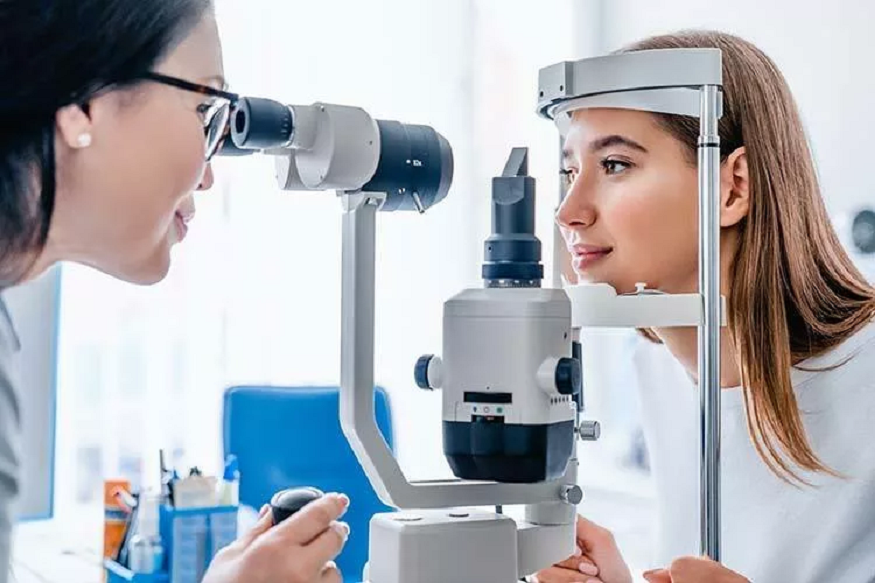
Ophthalmology focuses on the complete spectrum of eye health—from routine vision checks and corrective lenses to advanced surgical interventions such as cataract removal, retinal repair, and corneal transplants. Ophthalmologists are medical doctors who complete medical school, followed by extensive residency training, giving them the expertise to manage both common and complex eye conditions. Their scope includes refractive errors like myopia and hyperopia, as well as serious diseases such as glaucoma, diabetic retinopathy, and ocular tumors.
Read More: Toronto Dietitian’s Guide to Mindful Holiday Eating
Unlike optometrists, who primarily handle vision correction and basic eye examinations, ophthalmologists are fully licensed physicians capable of diagnosing, medically treating, and surgically managing eye diseases.
Common Eye Conditions Treated by Ophthalmologists
- Cataract: Clouding of the eye’s natural lens; the most common cause of treatable blindness worldwide.
- Glaucoma: A chronic, progressive disease that damages the optic nerve and can lead to irreversible blindness without proper treatment.
- Refractive Errors: Issues such as nearsightedness, farsightedness, astigmatism, and presbyopia, often corrected through glasses, contact lenses, or surgical methods.
- Macular Degeneration: Age-related deterioration affecting sharp central vision.
- Diabetic Retinopathy: Damage to retinal blood vessels due to diabetes, leading to vision impairment.
- Infections & Inflammation: Includes conjunctivitis, uveitis, keratitis, and other inflammatory conditions.
- Eye Trauma: Injury-related complications requiring urgent medical or surgical intervention.
Diagnostic and Treatment Methods
Ophthalmologists use state-of-the-art diagnostic tools and examinations, including:
- Slit-lamp evaluation, fundoscopy, OCT imaging, and ophthalmic ultrasound
- Visual acuity testing, tonometry (eye pressure check), and visual field analysis
- Laboratory diagnostics for systemic diseases affecting ocular function
Treatment strategies include:
- Medications: Prescription eye drops, oral drugs, and injections for infection, inflammation, and chronic disease
- Laser Therapy: For glaucoma, retinal tears, and diabetic complications
- Surgical Procedures: Cataract extraction, glaucoma surgery, corneal transplantation, retinal detachment repair, and oculoplastic surgery
The Role of Ophthalmology in Overall Health
Eye health is closely connected to systemic wellness. Many systemic diseases—including diabetes, hypertension, autoimmune disorders, and neurological conditions—first show signs in the eyes. Ophthalmologists often detect early indicators of these illnesses during routine examinations. Maintaining eye health, therefore, plays a vital role in long-term general wellbeing.
Read More: Can Post-Herpetic Neuralgia Cause Insomnia And Poor Sleep?
Liv Hospital Ophthalmology Services
Liv Hospital delivers world-class eye care through its advanced Ophthalmology Department. Patients benefit from a blend of cutting-edge technology, experienced specialists, and a multidisciplinary medical environment. Key services include:
- Full-spectrum eye examinations and regular vision screening
- Modern laser technologies and microsurgical facilities
- Expertise across both pediatric and adult ophthalmology
- Personalized treatment for complex and high-risk cases
- Collaboration with other medical departments for systemic–related eye disorders
Liv Hospital remains a trusted choice for individuals and families seeking high-quality, innovative, and compassionate vision care. To explore their services or schedule an appointment, visit the Liv Hospital homepage and the Liv Hospital Ophthalmology Clinic.