
From Source to Sip: Rethinking How We Access Clean Water
3 min read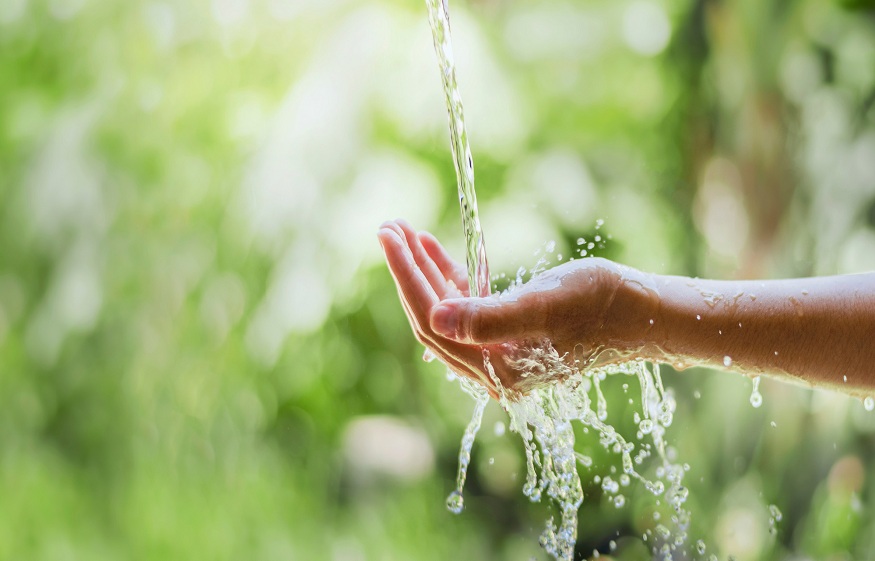
water pouring flow on woman hand on nature background
Rain hits the ground and begins a wild trip. It soaks through dirt, tumbles over rocks, winds through underground caves. Months pass before that same water might bubble up in a spring or flow into a reservoir. Then comes the human part; treatment plants, chemical baths, pressure pumps pushing water through miles of buried pipes. All this happens while you sleep, work, or binge-watch TV shows.
Americans rarely think about this stuff. Why would they? The tap works. Water comes out. End of story. Except the story gets complicated when you peek behind the curtain. Those pipes under your street? Some date back to your great-grandparents’ time. They leak a lot. Treatment plants continuously add chemicals to kill harmful substances. Despite billions, it barely works.
Read More: Behavior Health / Addiction: Understanding the Link, Challenges, and Paths to Recovery
Hidden Problems in Our Current System
Lead pipes still carry water in thousands of neighborhoods. Flint made headlines, but plenty of towns face the same mess. Old metal corrodes. Bits flake off and flow straight to your kitchen sink. Even treated water carries hitchhikers. Birth control hormones that people pee out? They survive treatment. Tiny plastic particles slip right through. Farm chemicals wash into rivers and then hang around through the entire cleaning process. The government sets limits on some bad stuff, but new chemicals pop up faster than rules can catch them.
Water gets tested when it leaves the plant looking sparkly clean. But what about after it travels through rusty neighborhood pipes? Or sits in your building’s tank for days? That final stretch changes everything. Your faucet might tell a totally different story than those official reports claim.
Alternative Routes to Clean Water
Bottles flew off shelves when people lost faith in taps. Americans grab billions yearly. The crazy thing is that many bottles contain the same tap water you’re avoiding; just marked up 2,000%. And wow, the plastic waste. Making one bottle uses three bottles’ worth of water. It makes no sense when you think about it.
Kitchen filters gained popularity for good reason. They remove chlorine, trap lead, and filter impurities. Reverse osmosis intensely purifies water. They cost money initially. Yet, contrast that with years of bottle purchases. Math works out pretty quick.
Read More: When it’s in Your Best Interest to Pursue a Medical Malpractice Claim
Growing numbers of families choose spring water delivery straight from underground sources. Natural rock layers do the filtering; no chemicals needed. Companies like Alive Water bring it in glass jugs or sturdy containers you use again and again. Plastic mountains shrink. Water tastes like it came from, well, an actual spring.
Technology Changes the Game
Gadgets now test water instantly. Little sensors stick on pipes or bob in tanks, screaming alerts when something seems off. No more waiting weeks for lab results while drinking questionable water. Purification tech keeps getting wilder. UV lights zap germs dead; no chlorine required. Scientists created filters from graphene that catch basically everything bad while letting minerals through. Solar panels power purification systems in places without electricity. Phone apps joined the party too. They ping you about local water issues, remind you to swap filters, even show contamination maps. Your smartphone becomes a water quality detective.
Conclusion
The old system groans under pressure. Water treatment in 1950 worked. Not anymore. Perhaps the future involves neighborhood purification centers. Or houses catching rain and cleaning it themselves. Could be we finally replace those rusty pipes and update safety rules for modern chemicals. Clean water shouldn’t depend on wealth or address. Every person needs safe drinking water, period. The path from rain to glass needs serious reconsideration. Change starts when people question what comes from their taps and demand better. That first step? Paying attention to what you’re putting in your body.